Ford
Shooting Brake (Taurus SHO Wagon conversion)
Gen 2 · 1993–1995 · Wagon
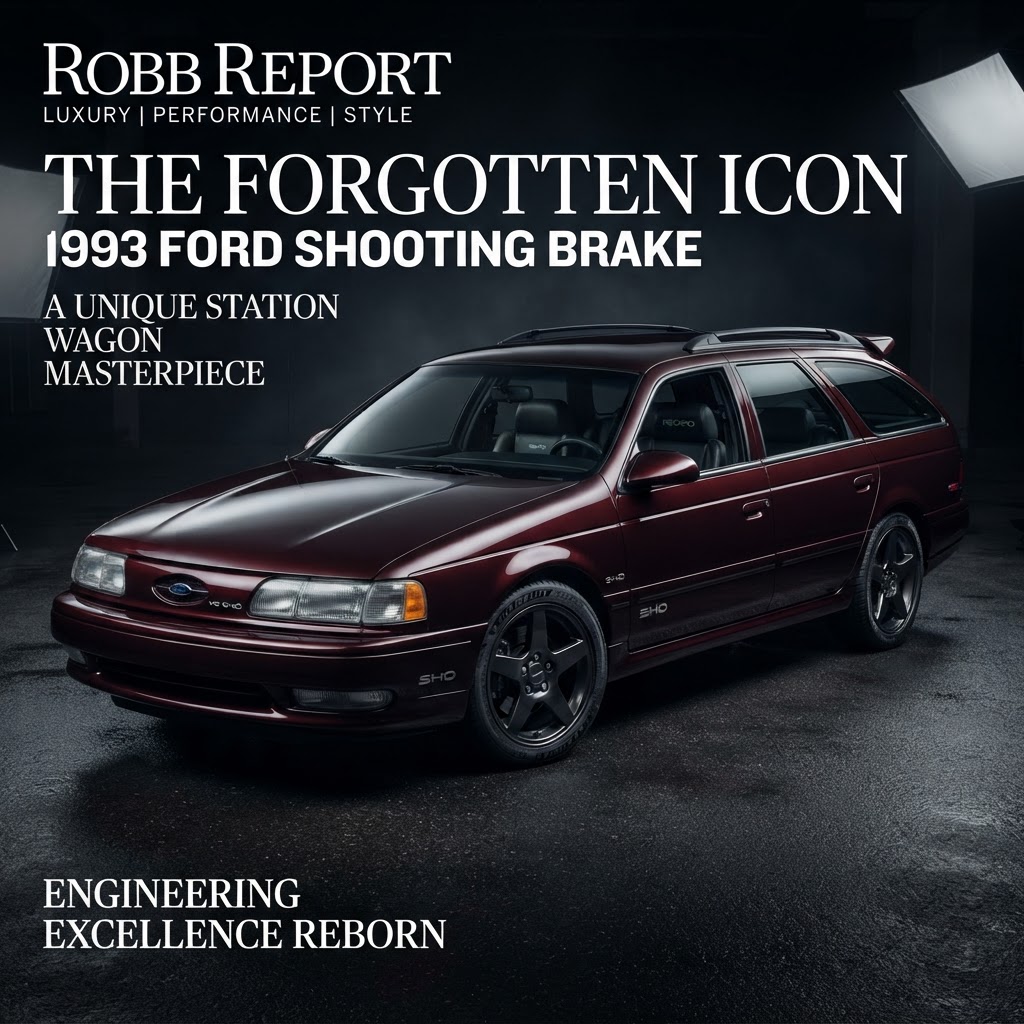
Technically unofficial, but a cult-status conversion enthusiasts love.
Why this model matters
The Taurus SHO Wagon represents the pinnacle of 1990s American enthusiast culture, proving that a family hauler could be transformed into a legitimate performance machine. It serves as a testament to the ingenuity of the aftermarket community and the enduring legacy of the Yamaha-Ford partnership.
This describes the model's importance. It does not prove your individual car's provenance or originality.
Own one?
Create its Vehicle Passport — the persistent record for this individual car. We'll prefill the model details so you don't start from scratch.
Engine
Engine
3.2L V6
Horsepower
220 hp
Torque
215 lb-ft
Drivetrain & Chassis
Transmission
4-speed automatic
Drivetrain
FWD
Curb weight
3,400 lb
Dimensions
Production
100
History
Enthusiasts converted Ford Taurus wagons using the SHO Yamaha-tuned V6.
Design & Styling
The design is a 'Frankenstein' aesthetic that retains the iconic 1990s 'aero' styling of the Ford DN5 platform. The front fascia, including the unique SHO bumper and grille, is typically grafted onto the wagon body. The result is a quintessential sleeper that looks like a standard family hauler until the dual exhaust and SHO badging reveal its performance pedigree.
Engineering & Technical History
The technical foundation of these conversions relies on the Ford DN5 platform, which was shared across the Taurus and Sable lines. The engineering challenge involves the transverse mounting of the Yamaha V6, which was designed for the sedan's engine bay. Builders must address the differences in the subframe, engine mounts, and the integration of the SHO's electronic control unit (ECU) with the wagon's existing electrical architecture. Powertrain evolution in these builds mirrors the SHO sedan's history, moving from the 3.0L engine to the 3.2L variant. The transition to the 3.2L engine in 1993 provided a torque increase to compensate for the weight of the wagon body. The most desirable conversions utilize the MTX-IV 5-speed manual transmission, which requires significant modification to the center console and clutch pedal assembly, as the wagon was never intended to house a manual gearbox.
Technical Innovations
The primary innovation is the successful cross-pollination of the Yamaha-developed DOHC V6 into a chassis not originally designed for it, effectively creating a high-performance utility vehicle that predated the modern trend of factory-built performance wagons.
Performance & Driving
Performance is significantly elevated over the standard Taurus wagon. With 220 horsepower and 215 lb-ft of torque, the wagon benefits from the SHO's high-RPM power band. When equipped with the 5-speed manual transmission, the driving experience is transformed into a genuine sports-wagon feel, offering improved acceleration and a more engaging connection between the driver and the road compared to the standard automatic-only wagon.
Notable Variants
While all are custom, variants differ based on the donor year and the level of integration. Some builds utilize the 3.0L engine from earlier models, while others prioritize the 3.2L V6 paired with the 4-speed automatic or the preferred 5-speed manual transmission.
Collectibility
Highly prized by Ford performance fans as the 'factory dream that never was'.
Market & Valuation
There is no official market value as these are not production vehicles. Valuation is entirely dependent on the quality of the build, the condition of the donor parts, and the documentation of the conversion. Prices for project-grade examples can be as low as $3,500, while well-executed, turn-key examples are rare and highly valued within the niche Ford performance community.
Ownership Experience
Ownership is a labor of love, requiring a high degree of mechanical aptitude. Owners often participate in dedicated forums like the Taurus Car Club of America, where knowledge on parts interchangeability and custom fabrication is shared. It is a vehicle that demands constant attention but rewards the owner with a unique, 'factory-dream' driving experience.
Common Issues & Quirks
Common issues include the complexity of the wiring harness integration, potential for cooling system strain, and the inherent difficulty of sourcing specific SHO-trim parts for a wagon body. The 3.2L engine is known for needing the 60,000-mile maintenance interval for the timing belt and valve lash adjustments, which is more difficult to perform in the cramped engine bay.
Fun Facts
The Car and Driver staff famously created a one-off SHO wagon, fueling the legend of the car that Ford should have built. Some conversions have even utilized parts from other Ford performance vehicles, such as Mustang SVT Cobra wheels or Cadillac exhaust components, to complete the build.
Evidence & Provenance
Related in the Encyclopedia

Ford Mustang Boss 429
First
375 hp · 7.0L V8
The Ford Mustang Boss 429 stands as the ultimate expression of the 'Win on Sunday, Sell on Monday' era, representing a singular moment where a pure NASCAR-homologation engine was shoehorned into a production pony car. Its significance lies in the extreme engineering measures required to fit the massive 'semi-hemi' 429 powerplant—including extensive chassis modifications by Kar Kraft—and its status as a low-production, blue-chip artifact of Ford's total commitment to motorsport dominance.
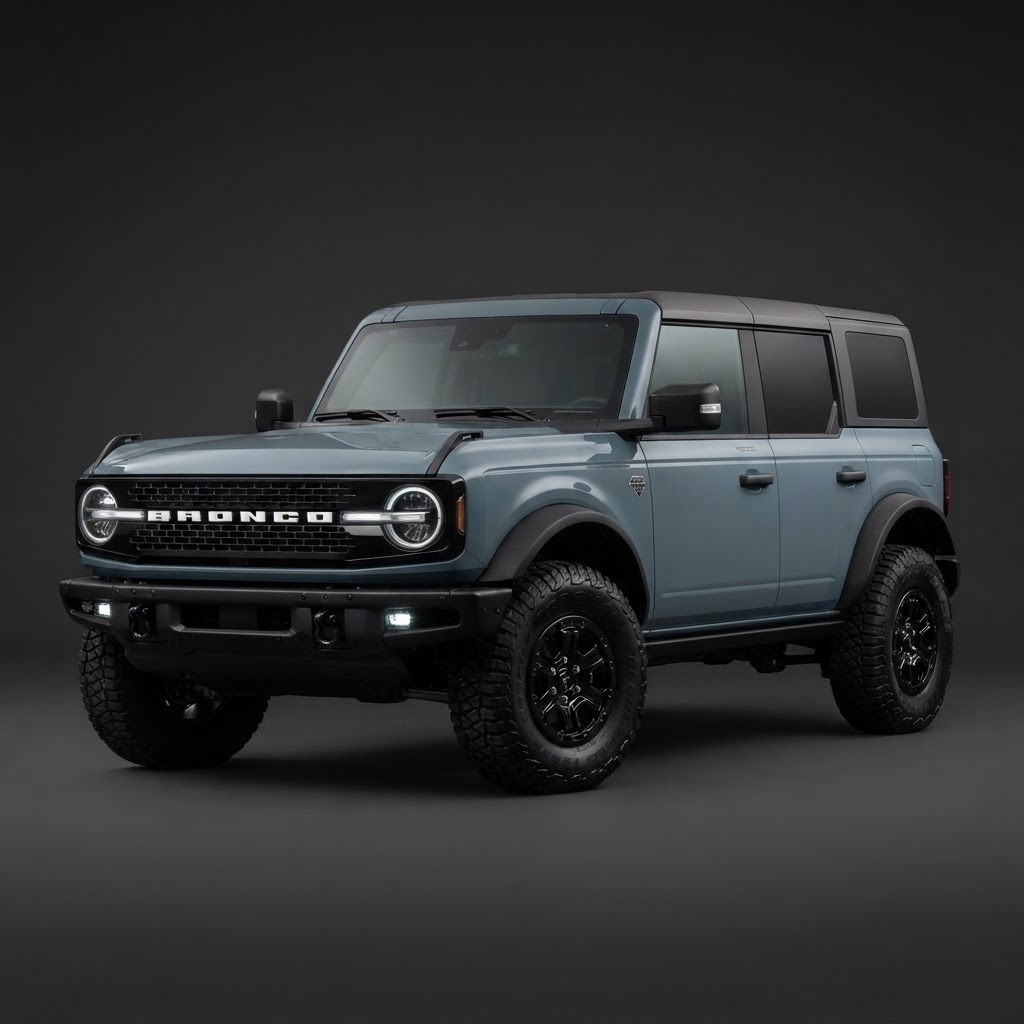
Ford Bronco Badlands
Sixth Generation
330 hp · 2.7L EcoBoost V6

Ford Explorer ST
Sixth Generation
400 hp · 3.0L EcoBoost V6
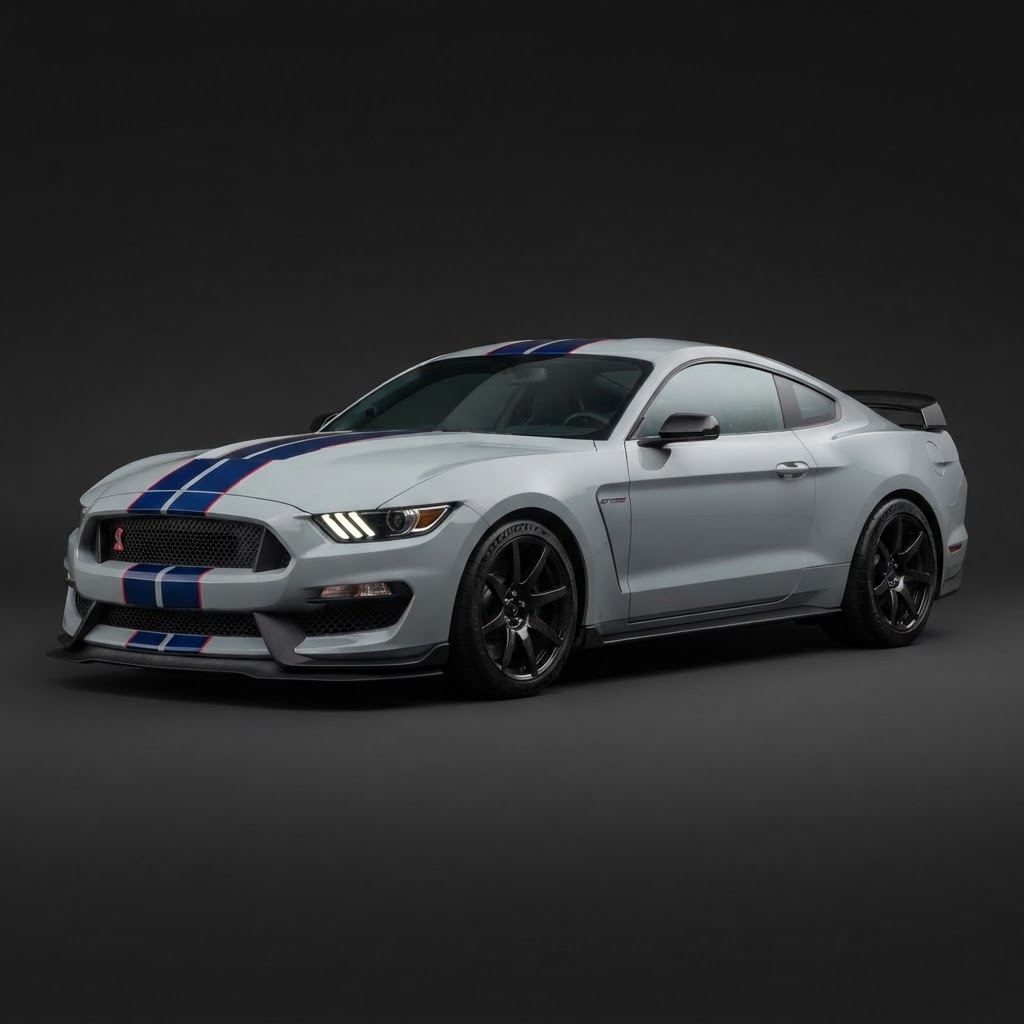
Ford Mustang Shelby GT350R
S550
526 hp · 5.2L V8
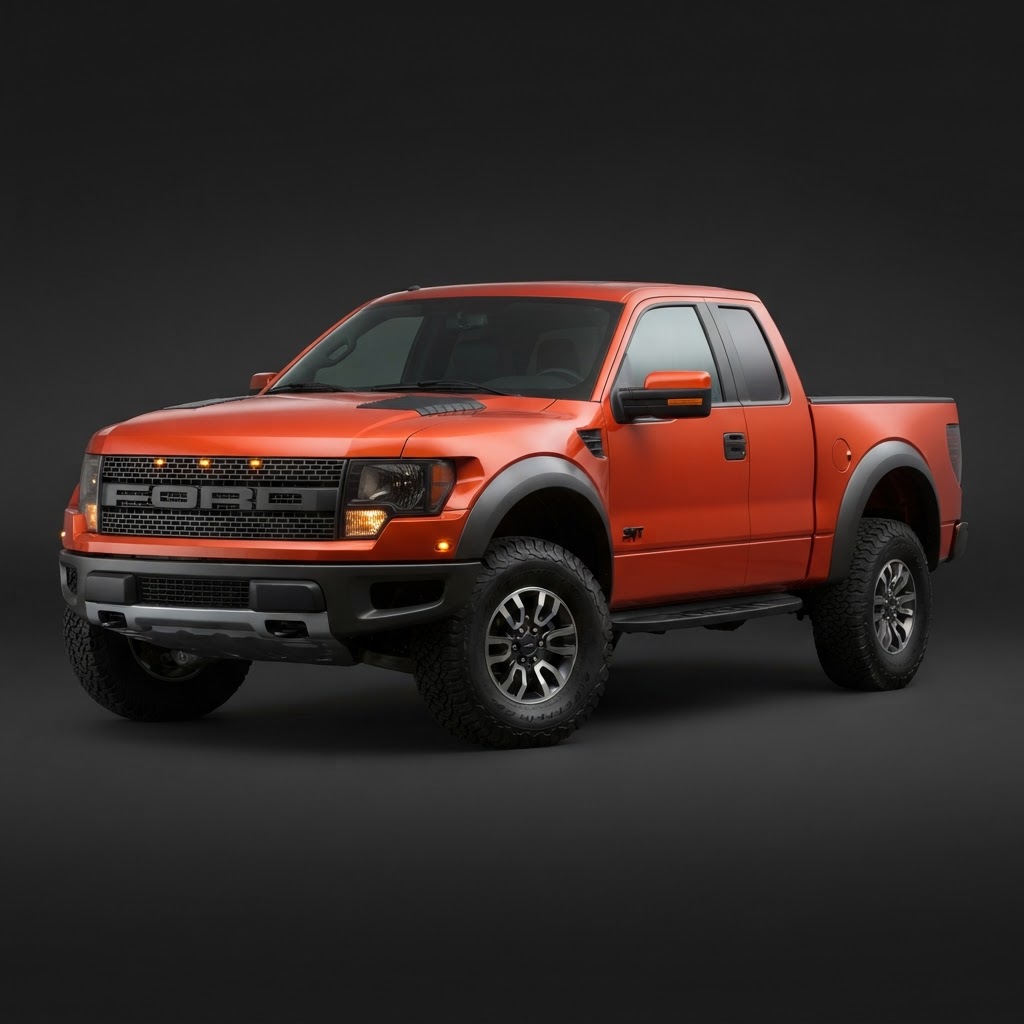
Ford F-150 SVT Raptor
1st
411 hp · 6.2L V8
The first factory-built desert pre-runner for the masses.

Ford GT
First
550 hp · 5.4L Supercharged V8
A modern homage to the Le Mans-winning GT40.